
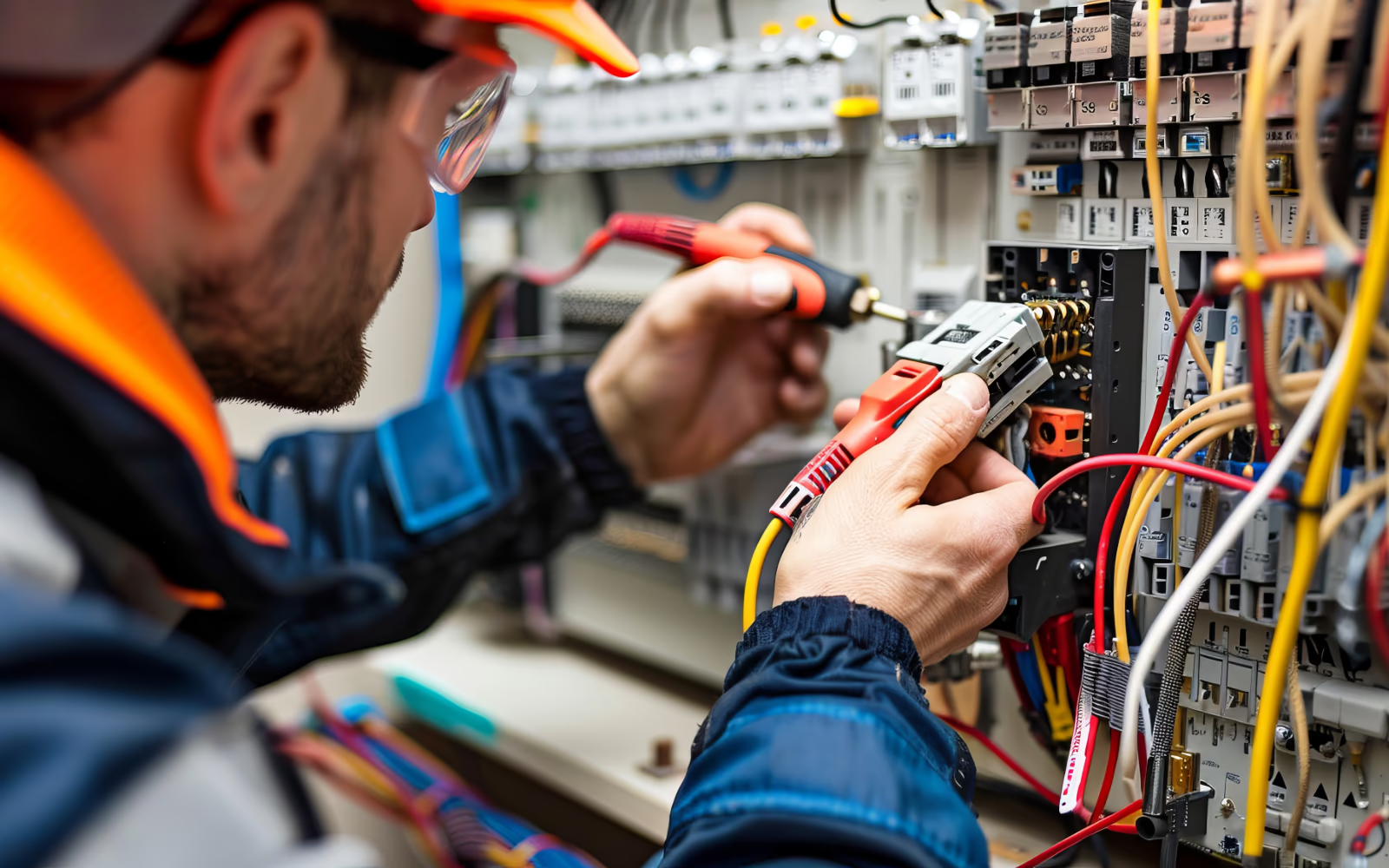
What is UPS maintenance and why is it important?
Uninterruptible Power Supplies (UPS) are critical components in ensuring the continuity of power to essential equipment and systems.
Whether in data centres, hospitals, or manufacturing facilities, a UPS system provides backup power during outages and protects sensitive equipment from power surges, spikes, and other electrical disturbances.
However, like any other equipment, UPS systems require regular maintenance and occasional repairs to ensure they function optimally when needed.
UPS maintenance for common issues requiring repairs must follow best practices to keep your system in top condition.
Why UPS maintenance matters for your business
How UPS maintenance ensures power reliability
The primary purpose of a UPS system is to provide uninterrupted power during an outage.
Regular maintenance ensures that the UPS will perform as expected when called upon.
Without proper maintenance, the risk of failure during a critical moment increases significantly. This can lead to additional costs and inconvenience to your business.
How regular UPS maintenance extends equipment lifespan
UPS systems can be a significant investment. Regular maintenance can extend the system's lifespan, delaying the need for costly replacements.
Components such as batteries, capacitors and fans have finite lifespans and can wear out faster if not properly maintained.
Reduce downtime with preventive UPS maintenance
A well-maintained UPS system is less likely to fail unexpectedly, reducing the risk of downtime.
Downtime can be costly, especially in environments where continuous power is essential, such as data centres or hospitals.
Save money with proactive UPS servicing
Preventive maintenance is generally less expensive than emergency repairs or replacements.
Identifying and addressing issues early can prevent more significant problems down the line, saving both time and money.
Most common UPS problems and how to fix them
Why UPS battery failure happens and how to prevent it
Batteries are the most common point of failure in a UPS system. Over time, batteries lose their ability to hold a charge, and if not replaced, they can fail when needed most. Regular battery testing and replacement are crucial.
UPS capacitor wear: warning signs and fixes
Capacitors in the UPS system can degrade over time, leading to reduced efficiency or complete failure. Capacitors are responsible for filtering and storing energy, and their failure can lead to power quality issues or system shutdowns.
The role of fans in UPS cooling and failure prevention
Fans are essential for cooling the UPS system. If a fan fails, the system can overheat, leading to reduced performance or failure. Regular inspection and cleaning of fans can prevent this issue.
Avoid UPS failures from software and firmware glitches
Modern UPS systems often come with software for monitoring and management.
Software glitches or outdated firmware can lead to improper functioning of the UPS. Regular updates and patches are necessary to ensure the software operates correctly.
UPS electrical components that frequently fail
Other electrical components, such as relays, circuit breakers and transformers, can also fail over time. Regular inspection and testing can help identify and replace worn components before they cause a system failure.
Best practices to maintain your UPS system
Regular visual inspections
Conduct regular visual inspections of the UPS system, including checking for loose connections, signs of wear and any unusual noises or smells. Inspections should be carried out by qualified personnel.
Battery testing and replacement
Batteries should be tested regularly, typically every 6–12 months, depending on the manufacturer's recommendations. Replace batteries that show signs of reduced capacity or are nearing the end of their expected lifespan.
Keep firmware and software updated
Ensure that the UPS firmware and monitoring software are up to date. Manufacturers often release updates that improve performance, fix bugs and enhance security.
Conduct periodic load testing
Periodically perform load testing to ensure the UPS can handle the expected load during an outage. This test should be conducted under controlled conditions and with the assistance of qualified technicians.
Ensure proper environmental controls
Ensure that the environment where the UPS is located is clean, cool and dry. Excessive heat, dust and humidity can negatively impact the performance and lifespan of the UPS system.
Maintain documentation and logs
Maintain detailed records of all maintenance activities, including inspections, tests and repairs. This documentation can help identify trends, plan for future maintenance and provide a history of the system's performance.
Use professional service contracts
Consider entering into a service contract with a qualified UPS maintenance provider. These contracts often include regular inspections, preventive maintenance and priority service in the event of a failure.
Summary: benefits of maintaining your UPS
UPS maintenance and repairs are essential for ensuring the reliability, longevity and performance of your UPS system.
By following best practices and addressing issues proactively, you can minimise the risk of unexpected failures, reduce downtime and save on costly repairs or replacements.
Regular maintenance not only protects your investment but also ensures that your critical systems remain operational when you need them most. Whether you manage a small business or a large data centre, a well-maintained UPS system is essential for operational continuity and peace of mind.
UPS maintenance contracts by Linnet Technology
UPS (Uninterruptible Power Supply) equipment must be serviced regularly to ensure it is in optimum working condition.
Linnet Technology provides UPS maintenance contracts which meet the needs of our clients, with the added reassurance that our specialist engineers are available when needed.
Typical UPS service plans include environmental checks, UPS functional testing, battery assessment, electro-mechanical checks and remote monitoring.
Why regular UPS maintenance checks are essential
A UPS system is designed to safely protect your mission-critical information even in the most challenging environments. To achieve optimum performance and protection continuously, regular maintenance checks are essential.
At Linnet Technology we endeavour to provide a contract that meets our clients' needs by working with customers to find the most suitable package.
24/7 emergency on-site UPS repairs by Linnet Technology
Our contracts cover regular maintenance as well as emergency on-site repairs for both UPS systems and generators.
We have varying levels of emergency response rates to suit your requirements.
Contact us with your questions on UPS maintenance, service or repairs.
Frequently asked questions
Why is UPS maintenance important?
- Ensures reliable backup: A well-maintained UPS provides reliable backup power when needed, minimising the risk of data loss or equipment damage during outages.
- Extends system lifespan: Regular maintenance helps prevent issues like battery degradation and component failures, extending the overall lifespan of the UPS.
- Reduces downtime: By identifying potential problems early, maintenance can prevent costly and disruptive failures.
- Cost-effective: Investing in preventative maintenance is often cheaper than dealing with emergency repairs or replacements.
How often should I service my UPS?
- Basic checks: Conduct basic checks, like battery status and load monitoring, every month.
- Professional maintenance: Schedule professional maintenance, including thorough testing and inspections, every six months, or as per SFG20 guidelines.
- Annual checks: Perform a full battery inspection and check temperature and humidity annually.
What are the signs that my UPS needs maintenance?
- Unusual noises: Any unusual sounds from the UPS could indicate a problem.
- Visible damage: Check for any physical damage or signs of wear and tear.
- Frequent alarms: If the UPS is frequently alarming, it may need attention.
- Changes in performance: Notice any decrease in performance or runtime, or if the UPS takes longer to switch to battery power.
What should I do if my UPS battery fails?
- Replacement: Replace the battery with a compatible one, following the manufacturer's instructions.
- Professional assistance: If you're unsure about battery replacement, contact a qualified UPS engineer for help.
What are the benefits of a maintenance contract?
- Regular inspections: A maintenance contract ensures regular inspections and testing by qualified engineers.
- Prompt response to emergencies: A maintenance provider should have a quick response time to emergency calls.
- Spare parts availability: A good maintenance provider will have spare parts readily available for quick repairs.
- Remote monitoring: Some maintenance plans include remote monitoring to proactively detect issues.